
🧠 The Psychology of Imagined Futures Becoming Real (and Batman)
Welcome to our latest newsletter.
This month, we look at:
How imagined futures alter real life decisions
Why the feeling of an interaction often outweighs price
How the Batman effect shows that small disruptions can break behavioural autopilot
Do you want to nudge your way to better results?
📈 Grow your business?
💰 Sell more?
💎 Increase customer value?
Email us to see how behavioural science can help you.
Every so often we use our Monkey Business newsletter to share useful nuggets, opinions, and findings as food for thought. Sign up here.
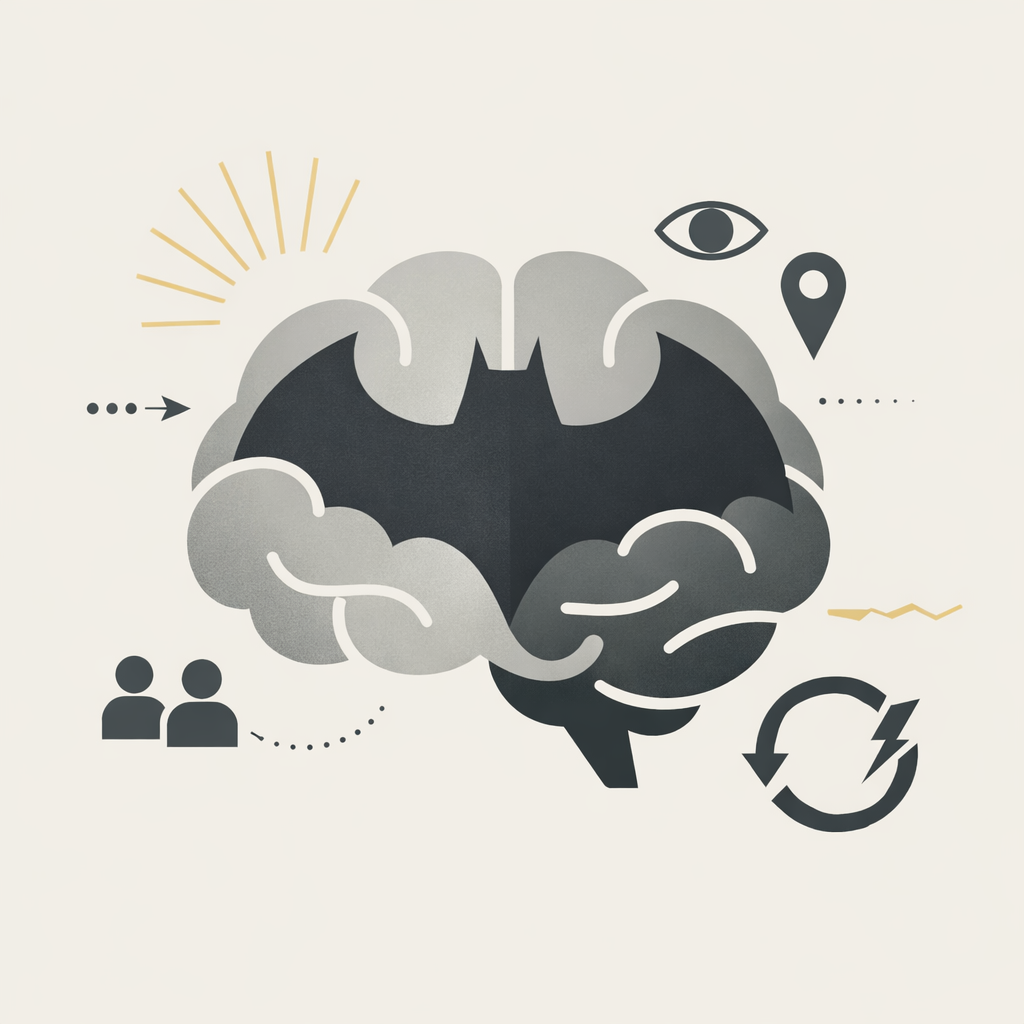
The Batman Effect on Behaviour
A quirky field experiment on the Milan metro found that people were far more likely to offer up a seat to someone who seemed pregnant when a person dressed as Batman was also present.
In 138 trials, seat-giving occurred around 67% of the time with Batman present, versus 38% without him - almost doublethe likelihood.
Interestingly, many of those who offered the seat didn’t consciously register Batman at all, suggesting the effect may come not from consciously thinking about the superhero, but from being pulled out of autopilot and into present-moment awareness.
The researchers hypothesise that unexpected or novel stimuli can heighten social attention and cue prosocial norms, making people more likely to act kindly.
Practical Business Takeouts:
Novelty interrupts autopilot and surfaces social cues
Routine contexts (e.g., scrolling, browsing, commuting) dull attention. Introducing unexpected, attention-grabbling elements in user journeys may make people notice others’ needs or social norms - and act on them.Implicit cues can be more effective than explicit prompts
None of the increased kindness was consciously attributed to Batman, yet behaviour still shifted. This suggests unconscious activation of social norms may outperform direct messaging in driving action.Attention triggers can boost community engagement
Products and platforms that break habitual engagement patterns (e.g., playful interruptions, surprising micro-interactions) may make users more aware of others, strengthening community behaviours like upvoting, sharing or supporting peers.Brand context shapes norm salience
Even if not consciously noticed, brand cues associated with prosocial values(e.g., heroes, helpers) may act as subliminal primes that increase cooperation and generosity in customer decision environments.Unexpected moments reduce diffusion of responsibility
In group settings, bystander behaviour often suppresses action (the bystander effect). A surprising element that sharpens attention may counteract that, increasing intervention rates in social contexts.
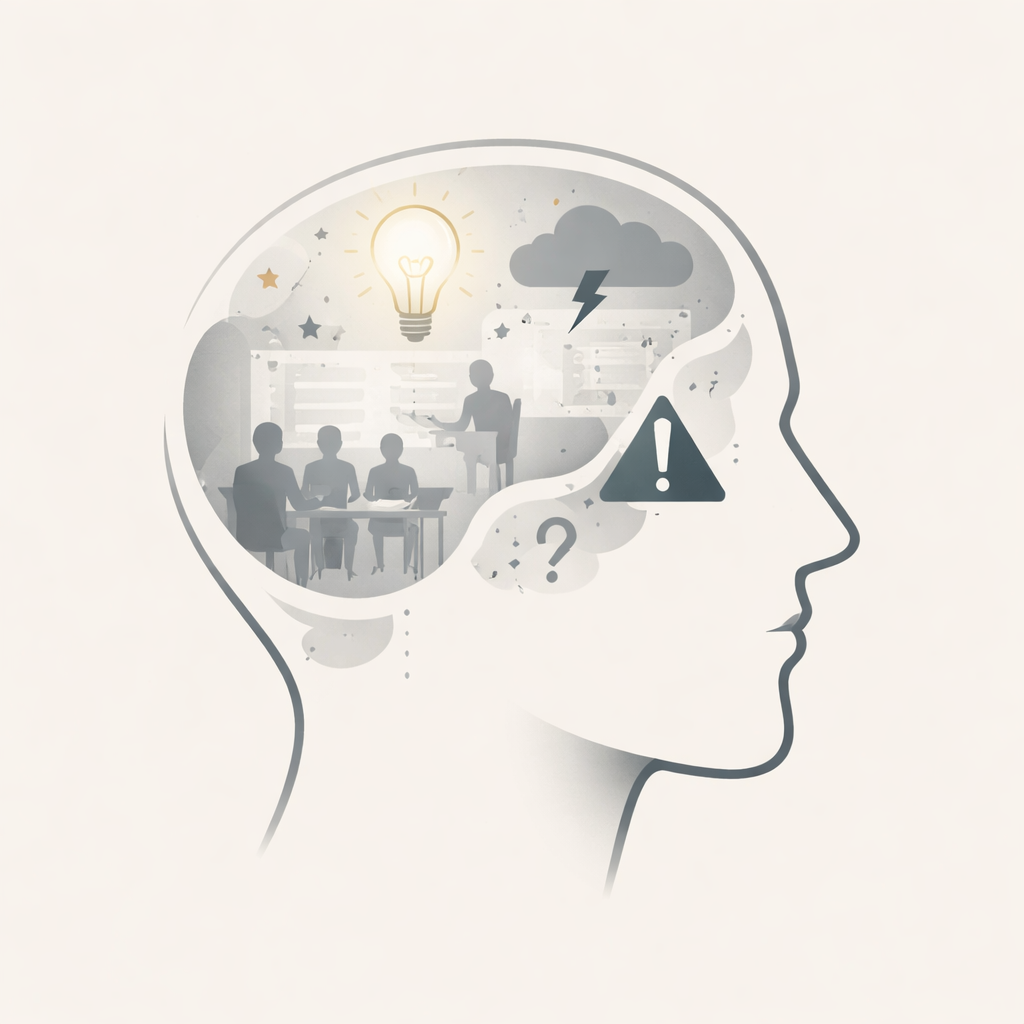
Why Customers Change Their Minds Even Without New Evidence
New research published in Nature Communications shows that people don’t just think about imagined scenarios - they learn from them as if those scenarios were real.
In a study where participants vividly imagined positive or negative interactions with people they initially felt neutral about, researchers found that those imagined events shifted real preferences.
On subsequent tests, participants liked people they had imagined good experiences with more than before. Brain imaging confirmed that the same learning circuits activated during real experiences also fired during vivid imagination, driving real changes in choice and preference.
Practical Business Takeouts:
Customers form genuine preferences from imagined experiences
If people vividly picture a future interaction with your product, service or brand, their real-world preferencesshift accordingly.Anticipated outcomes can be as influential as actual trials
Designing experiences that let customers preview benefits - through interactive demos, rich scenarios or immersive storytelling - can move behaviour without physical use.Imagined success reduces uncertainty before purchase
When potential buyers imagine a positive outcome vividly, the psychological barriers to conversion fall. That means better onboarding narratives can pre-empt hesitation.Negative imagination drives avoidance
If customers mentally rehearse problems (complex setup, poor service), they are less likely to engage. Managing imagined friction matters as much as fixing real pain points.Marketing that taps mental simulation beats flat messaging
Campaigns that help users “picture themselves benefiting” — through scenarios, role examples or guided visuals — outperform generic claims because they trigger real learning mechanisms.Pre-purchase rehearsal can substitute for actual trial
In categories where trials are expensive or slow, structured imagination cues (like guided walkthroughs) can reduce churn and speed adoption.
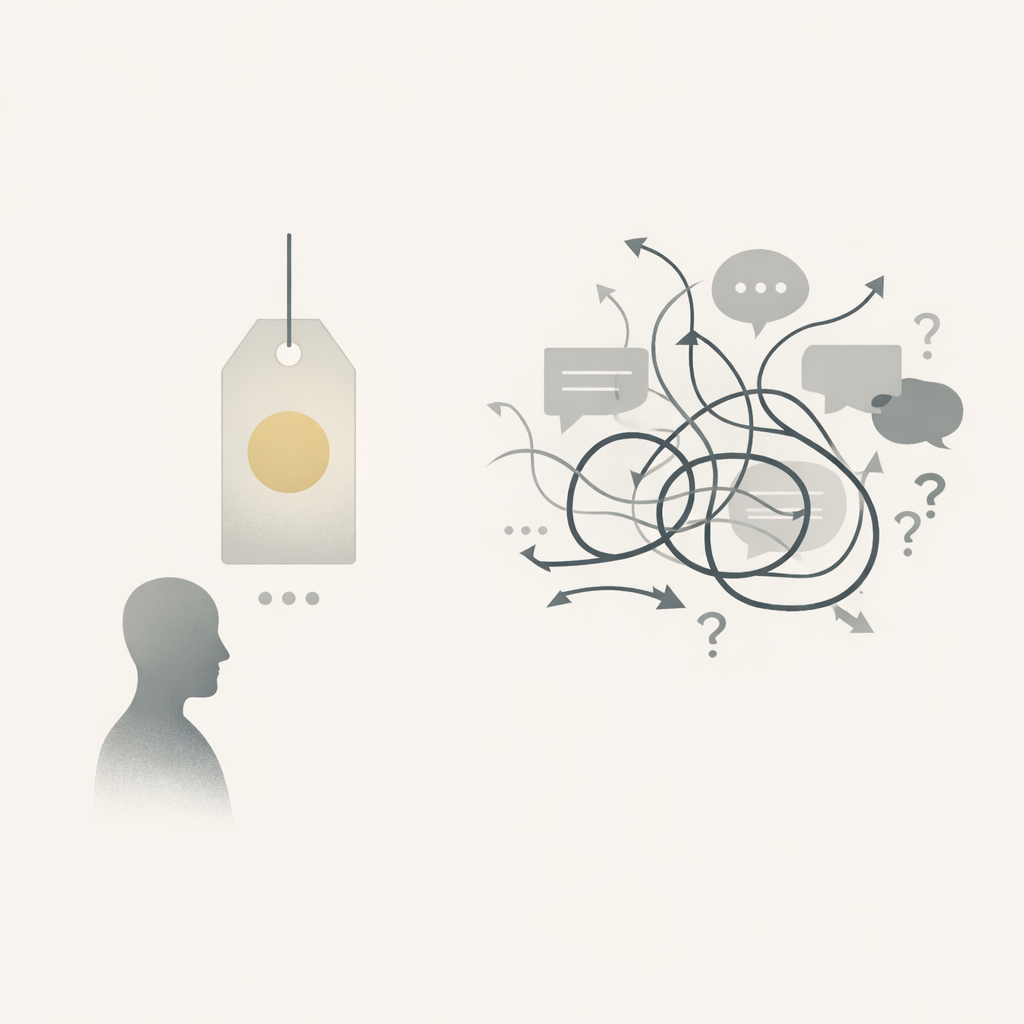
Why People Won’t Haggle - Even When It Costs Them
New research from Indiana University shows that most people actively avoid negotiation, even when it would leave them financially better off.
Across five experiments, participants declined to negotiate up to half the time and were willing to pay a clear premium to avoid it.
The researchers identify a Threshold for Negotiation Initiation: unless expected savings cross a high bar (often 21-36 per cent of price), people don’t even consider engaging. This holds even in markets where haggling is normal.
The friction is psychological, not informational: negotiation triggers anxiety, social discomfort and fear of loss.
Faced with that, many people choose certainty, simplicity and emotional relief over “better” deals.
Practical Business Takeouts:
Silence is a signal, not indifference
When customers don’t push back on price, it may not mean they’re satisfied. It often means the emotional cost of negotiating outweighs the expected gain. Treat passivity as avoidance, not approval.Discounts that require effort are often invisible
If savings depend on asking, emailing or negotiating, many customers will never access them. Your effective price is the sticker price, not the theoretically negotiable one.Percentage thresholds matter more than margins
People don’t ask “Is this worth £200 more?” but “Is this worth the hassle?” If the perceived upside doesn’t clearly clear that mental threshold, negotiation won’t start, however rational it looks on paper.Make opting in to value easier than opting out of discomfort
If you want engagement, pre-package value: clear bundles, transparent tiers, automatic best-price guarantees. Do not rely on customers to extract value themselves.Design pricing as an emotional experience, not a maths problem
Negotiation avoidance is about self-image and social risk. Language that reduces awkwardness (“This is the best price available”) often converts better than language that promises savings but demands confrontation.
😓 Tough business challenge? See if we can help. We probably can.

James, Patrick and Dan
We practically apply the science of the human mind for hard, commercial results
Please feel free to share.
➡️ Sign up for your own MONKEY BUSINESS by clicking here