
🧠 The Psychology of Romance and Risk, Connection and Ignorance
Welcome to our latest newsletter.
This month, we look at:
How romantic cues can push people towards risk
When doubt ends up strengthening commitment
Why online connections feel different
When we choose ignorance, and when we can't stop checking
Do you want to nudge your way to better results?
📈 Grow your business?
💰 Sell more?
💎 Increase customer value?
Email us to see how behavioural science can help you.
Every so often we use our Monkey Business newsletter to share useful nuggets, opinions, and findings as food for thought. Sign up here.
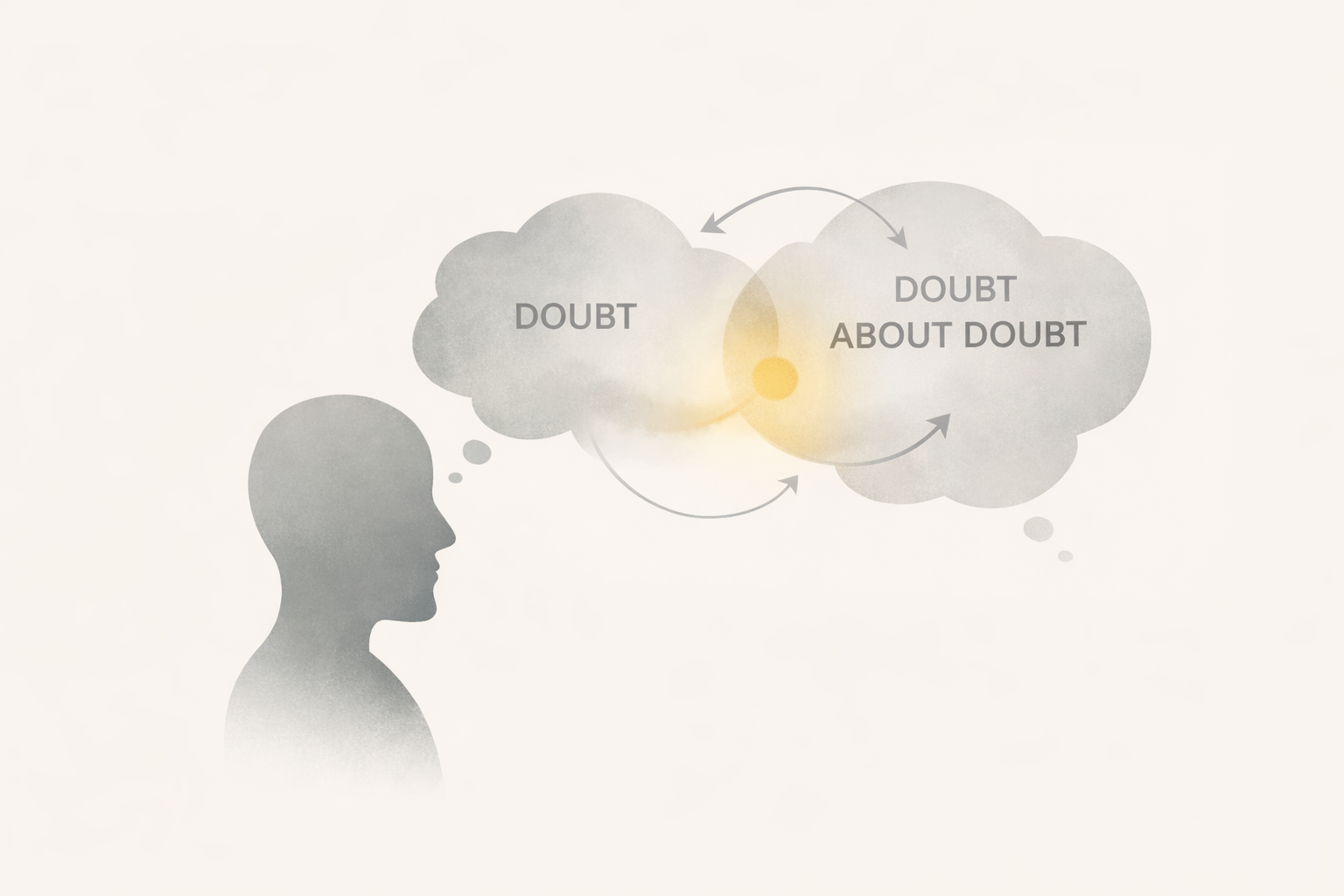
When Questioning Doubts Strengthens Commitment
New research explores a subtle but powerful psychological lever: meta-cognitive doubt.
Participants pursuing personally meaningful, long-term “identity goals” (such as career ambitions) typically face doubts as obstacles arise.
But when researchers prompted people to question the validity of their doubts - essentially encouraging them to doubt their own hesitation - those individuals reported higher commitment to their goals afterwards.
Two experiments confirmed this effect: one using a reflective writing task and another inducing uncertainty through non-dominant-hand writing, both designed to shake confidence in one’s thoughts.
When doubt about doubt increased, commitment rose; when confidence in doubt was strengthened, commitment weakened. The findings highlight how the interpretation of inner uncertainty can shape persistence and motivation
Practical Business Takeouts:
Uncertainty isn’t always destructive. How audiences frame their hesitation matters more than its mere presence.
Meta-cognitive cues shift motivation. Prompting people to reassess their negative self-talk can boost follow-through.
Indirect interventions work. Tasks that don’t directly address the goal but influence thought confidence can change commitment levels.
Reassurance can backfire. Encouraging certainty in the doubt itself may deepen disengagement.
Contextual framing shapes behaviour. In onboarding or sales, helping people reinterpret hesitation as noise rather than signal may improve conversion and retention.
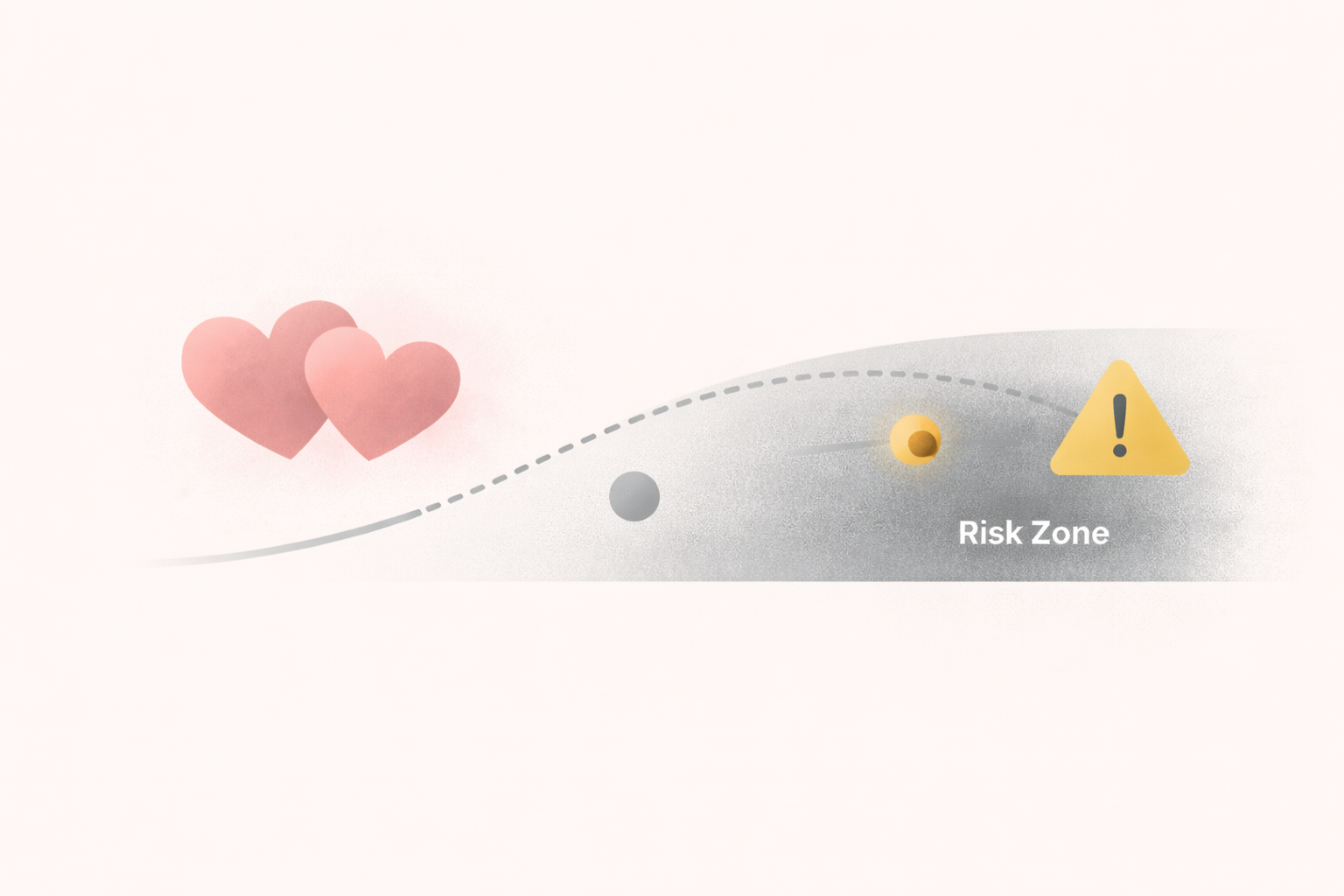
How Romantic Cues Push People Toward Risk
New research in the Scandinavian Journal of Psychology reports that exposure to romantic signals can shift how people evaluate risk.
Across four experiments using romantic primes - from words and images to narrative cues - participants showed increased willingness to take both non-moral and morally ambiguous risks compared with controls.
These effects appeared in self-report measures and behavioural tasks, and emerged with different participant groups. The authors suggest that cues associated with love, attraction and mating motives temporarily bias cognitive and affective processes, lowering sensitivity to potential negative outcomes and heightening reward focus.
Contextual signals tied to romance can subtly nudge how we weigh costs and benefits.
Practical Business Takeouts:
Emotional context influences risk weighting. Romantic or affiliative cues can tilt people toward risk-seeking behaviours that wouldn’t appear under neutral conditions.
Primes don’t need to be conscious to matter. Exposure to subtle cues (words, imagery) tied to love or attraction can shift choice patterns without overt awareness.
Consider context as well as content. The emotional backdrop against which people evaluate options - not just the numerical odds - can change uptake.
Marketing that leverages affiliation can loosen restraint. In categories where hesitation hurts conversion, affiliative framing might reduce perceived downside
Segment responses may differ. Environments that evoke social bonding or mating motivations might see different patterns of risk interest than those focused on utility or safety.
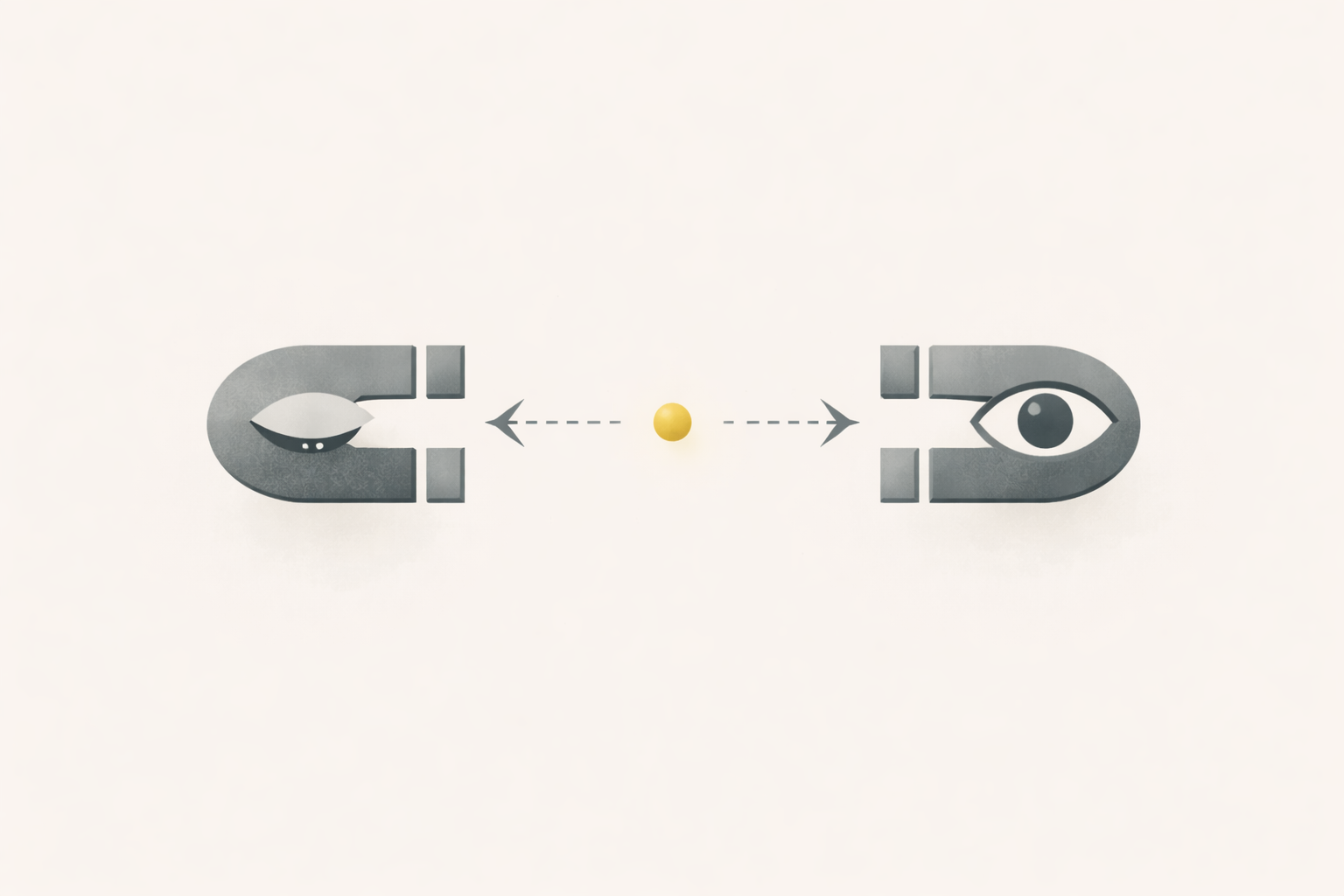
When People Sometimes Prefer Ignorance, and When They Can’t Stop Checking
A new review explains a familiar contradiction: people often avoid information that matters, yet obsessively seek information that changes nothing.
The researchers argue that both behaviours serve the same purpose: emotional regulation. People delay opening medical results or confronting financial losses because they anticipate the emotional weight of knowing.
Yet the same person may compulsively refresh delivery updates or price trackers because uncertainty itself becomes uncomfortable. The decision depends on which feels harder in the moment: living with ambiguity or facing the truth.
Practical Business Takeouts:
Information avoidance can signal emotional overload, rather than apathy. Customers may delay reading updates because the emotional cost feels high.
Design disclosure around emotional readiness. Staged reveals often outperform full transparency dumped all at once.
Status tracking tools tap an emotional need for closure.
Delivery updates, dashboards and progress bars work partly because they reduce uncertainty.Bad news lands better when paired with a next step Actionable pathways soften the emotional hit of knowing.
Over-communication can amplify anxiety. Too many prompts can trigger obsessive checking rather than reassurance.

Why Online Connection Often Feels Different
A major narrative review spanning more than 1,100 studies suggests that digital communication tends to produce a different kind of social and emotional experience from being together in person.
Text-based interaction and social platforms often generate weaker feelings of presence and lower emotional engagement than face-to-face contact. Video calls help, yet many studies still find they fall short of the richness of shared physical space.
One striking example is laughter: in-person laughter is linked to measurable emotional and health benefits, while typed substitutes rarely carry the same social signal. That said, digital communication can reduce anxiety for shy participants and works well when motivation is already high.
Practical Business Takeouts:
Digital communication often transmits information better than belonging. Customers may understand perfectly online, yet could feel less emotionally connected.
Video improves warmth, but doesn’t always restore depth. Seeing faces helps, though many cues of trust and rapport may remain muted.
Remote comfort can reduce social friction and also reduce momentum. Less pressure sometimes means lower follow-through, not higher engagement.
Shared emotion is commercially valuable. Laughter, synchrony and micro-reactions shape trust in ways digital channels struggle to reproduce.Hybrid interactions work best when emotional moments stay high-touch. Use physical interaction for persuasion, bonding, conflict resolution and identity-building.
😓 Tough business challenge? See if we can help. We probably can.

James, Patrick and Dan
We practically apply the science of the human mind for hard, commercial results
Please feel free to share.
➡️ Sign up for your own MONKEY BUSINESS by clicking here