
🧠 The Psychology of How Motivation Rewrites Memory
Welcome to our latest newsletter.
This month, we look at:
How motivation rewrites the kind of memories we form
Why we think differently when choosing for other people
How dread quietly reshapes risk and impatience
When autonomy matters most - and when it really doesn’t
Do you want to nudge your way to better results?
📈 Grow your business?
💰 Sell more?
💎 Increase customer value?
Email us to see how behavioural science can help you.
Every so often we use our Monkey Business newsletter to share useful nuggets, opinions, and findings as food for thought. Sign up here.
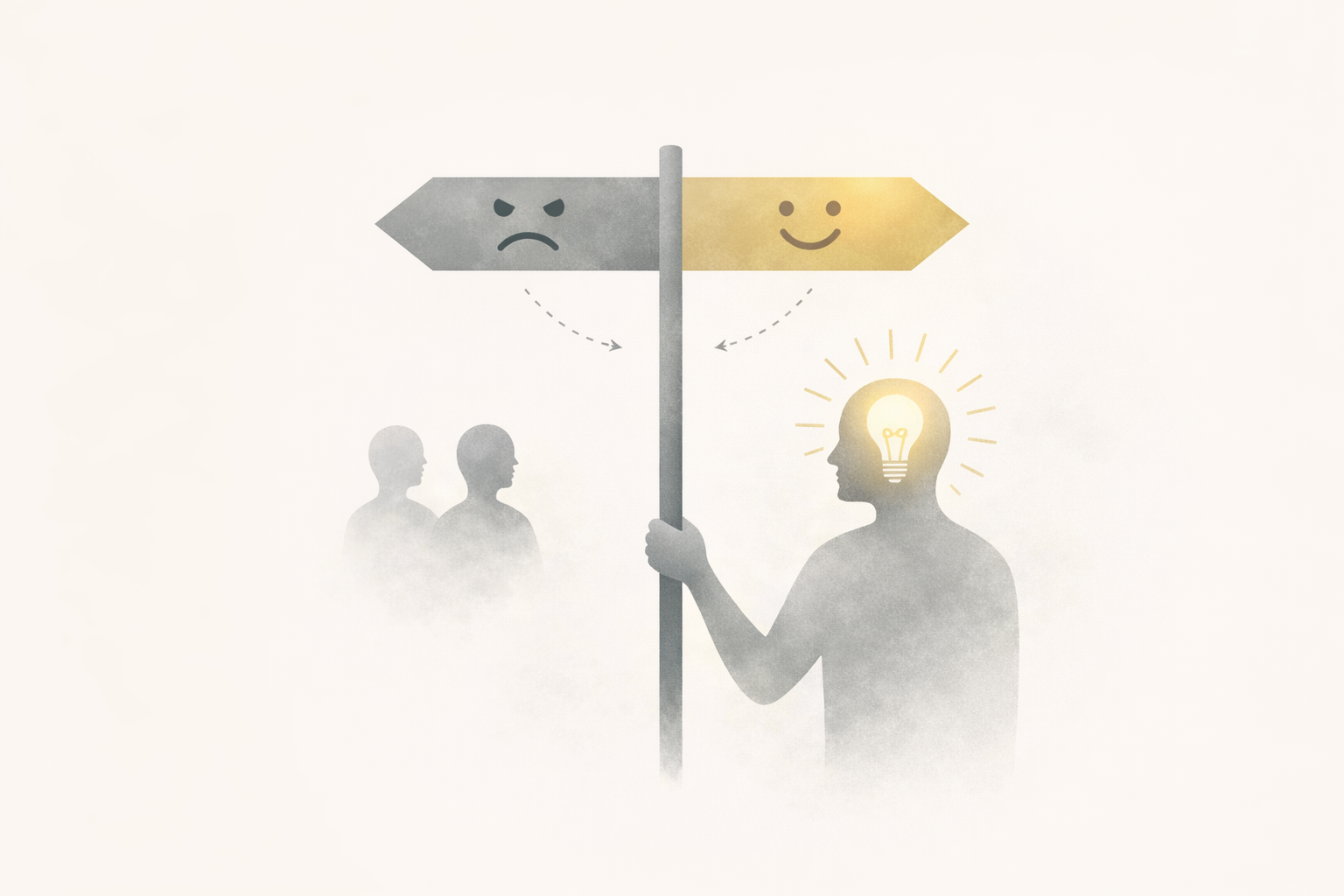
When People Choose for Others, They Think Differently
A new study in the Science of Learning suggests that when people choose for someone else their decision-making changes a lot.
Using a reinforcement learning task and computational modelling, researchers found that people relied less on effortful forward planning when making choices for others, and more on simpler learning from outcomes.
Decisions for the self engaged more goal-directed, strategic processing. Choices for others showed weaker planning signals and slower learning dynamics.
Interestingly, this gap was smaller among people with stronger prosocial preferences, who appeared to treat other-focused decisions more like their own.
The work suggests that purchasing for others, recommending products, or selecting services for a group may involve a different cognitive mode than personal choice. “Chooser” and “user” might be psychologically different.
Practical Business Takeouts:
Surrogate decisions can become more outcome-driven than future-driven. People rely more on feedback and precedent when choosing for others, rather than imagining long-term consequences.
Prosocial buyers behave differently. Decision-makers who strongly identify with the end user may deliberate more carefully and plan further ahead.
Make downstream impact vivid. Customer journeys that help buyers picture real consequences for others may increase strategic thinking and reduce shallow choice.
Adapt experiences for “buying for someone else”. Choices made on behalf of others may need different defaults, reassurance signals, and information structures.
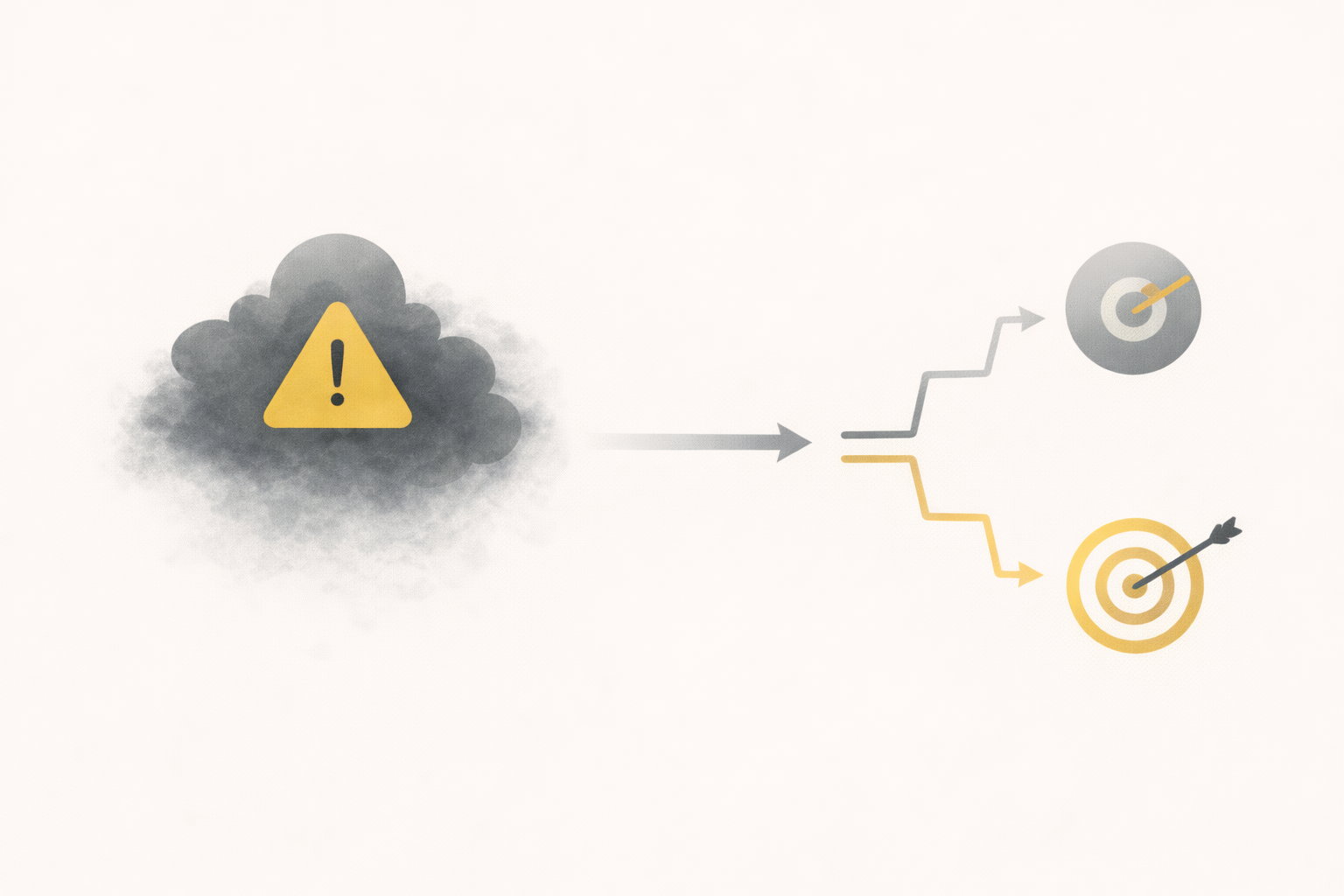
Why Dread Shapes Different Decisions
A new study shows that dread, the emotional weight of anticipating something going wrong, plays a much bigger role in decision-making than we tend to admit.
Analysing UK household data from nearly 14,000 people collected over more than three decades, the researchers found that expecting a loss feels more than six times stronger than imagining an equivalent gain.
This helps explain why many people avoid risk and prefer outcomes to be settled sooner rather than later, even when waiting could bring greater rewards.
The longer a decision keeps people in suspense, the more emotional burden it creates. Individual differences in how vividly people experience dread help explain wide variation in impatience and risk aversion, across finance, health and everyday choices.
Practical Business Takeouts:
Uncertainty is emotionally costly. The dread of waiting for a possible bad result can make people prefer earlier resolution, even at the cost of larger future rewards.
Risk aversion and impatience come together. People who experience dread more intensely often avoid risk and favour sooner outcomes, linking two behaviours usually treated separately.
Customers feel outcomes before they arrive. Choices reflect the emotional experience of anticipation, not just the objective value of what eventually happens.
Reducing emotional wait time can shift behaviour. Clear feedback, staged reassurance, and faster confirmation loops can reduce avoidance and increase follow-through.

Autonomy Only Matters More When Basic Needs Are Already Met
New cross-national research reported by Newswise finds that autonomy plays a much larger role in wellbeing in wealthier countries.
Analysing data across societies, researchers show that having control over one’s life, freedom of choice, and personal agency becomes a stronger predictor of life satisfaction once material security is relatively high.
In lower-income contexts, wellbeing is more tightly linked to meeting basic needs and stability. In richer settings, the psychological emphasis shifts: people expect self-direction, and constraints feel more costly.
The study suggests wellbeing is not driven by a single universal formula. What people value most depends on the economic environment.
Practical Business Takeouts:
Constraints feel more personal when people expect freedom. Friction, rigid processes, and limited options can land harder in high-income settings.
Emerging markets may prioritise reliability over self-expression. Security, consistency, and support may matter more than endless customisation.
Too much choice can still overwhelm. Autonomy is about control, rather than infinite menus. Curated choice may work best.
Positioning should reflect psychology. In affluent segments, “agency” beats “providing”. In less affluent ones, “dependable” beats “expressive”.
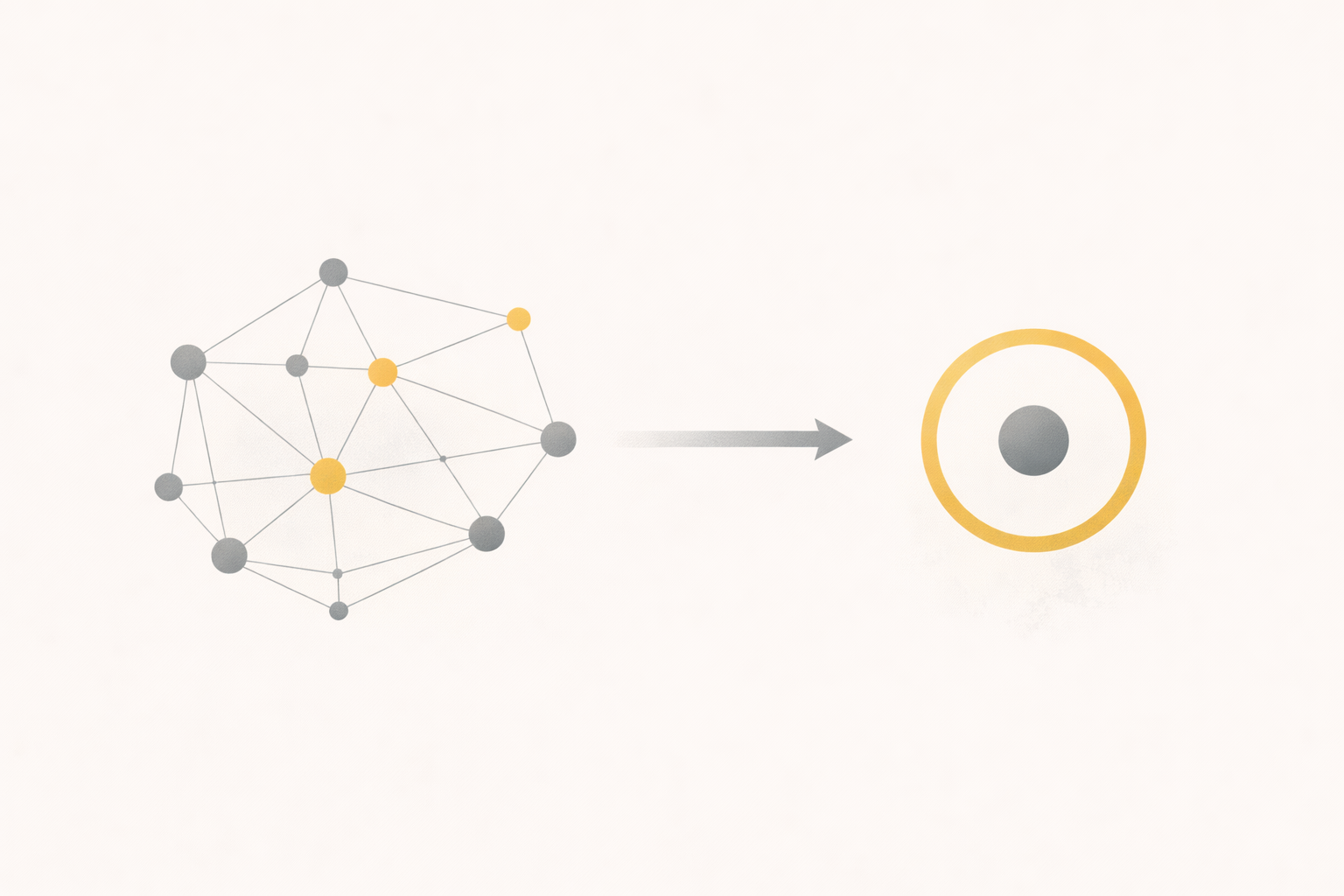
Motivation Changes What Kind of Memory We Make
New research reframes how motivation shapes memory, moving beyond the simple idea that motivation just increases effort.
Drawing on a synthesis of neuroscience and cognitive science, the study proposes a “neural context” model showing that different kinds of motivation activate distinct brain systems, producing different memory outcomes.
An “interrogative mood” supported by dopamine fosters flexible, relational, context-rich memories and curiosity-driven learning, while an “imperative mood” driven by noradrenaline sharpens attention to salient details and rapid goal-oriented encoding.
This means that curiosity, deadlines, stress, rewards and urgency change what we remember and how it’s organised.
Practical Business Takeouts:
Match message to motivation. Urgency-driven focus (e.g., deadlines) produces detail-rich memories; exploration-driven curiosity produces flexible, relational understanding.
Context shapes recall. Messages framed to evoke curiosity create memories that link ideas and patterns, while messages tied to immediate actions produce sharply detailed recall.
Consider mixing messages. Training, onboarding or product education should mix interrogative and imperative moods to support both deep understanding and actionable recall.
Communication timing matters. Early curiosity framing can build schema; later imperative cues (rewards, deadlines) can lock in actionable details.
Experience design can guide memory type. Positioning features as novel and intriguing can prompt exploration learning; positioning them as immediately useful triggers goal-driven memory formation.
😓 Tough business challenge? See if we can help. We probably can.

James, Patrick and Dan
We practically apply the science of the human mind for hard, commercial results
Please feel free to share.
➡️ Sign up for your own MONKEY BUSINESS by clicking here