
🧠 The Psychology of Bad Behaviour and the Joy of a Cancelled Meeting
Welcome to our latest newsletter.
This month, we look at:
How unexpected free time feels longer and changes our behaviour
Why tiny majorities can make a big difference
Why a long fast-moving line can feel worse than a short, slow one
How we bend our own rules to justify our behaviour
Do you want to nudge your way to better results?
📈 Grow your business?
💰 Sell more?
💎 Increase customer value?
Email us to see how behavioural science can help you.
Every so often we use our Monkey Business newsletter to share useful nuggets, opinions, and findings as food for thought. Sign up here.
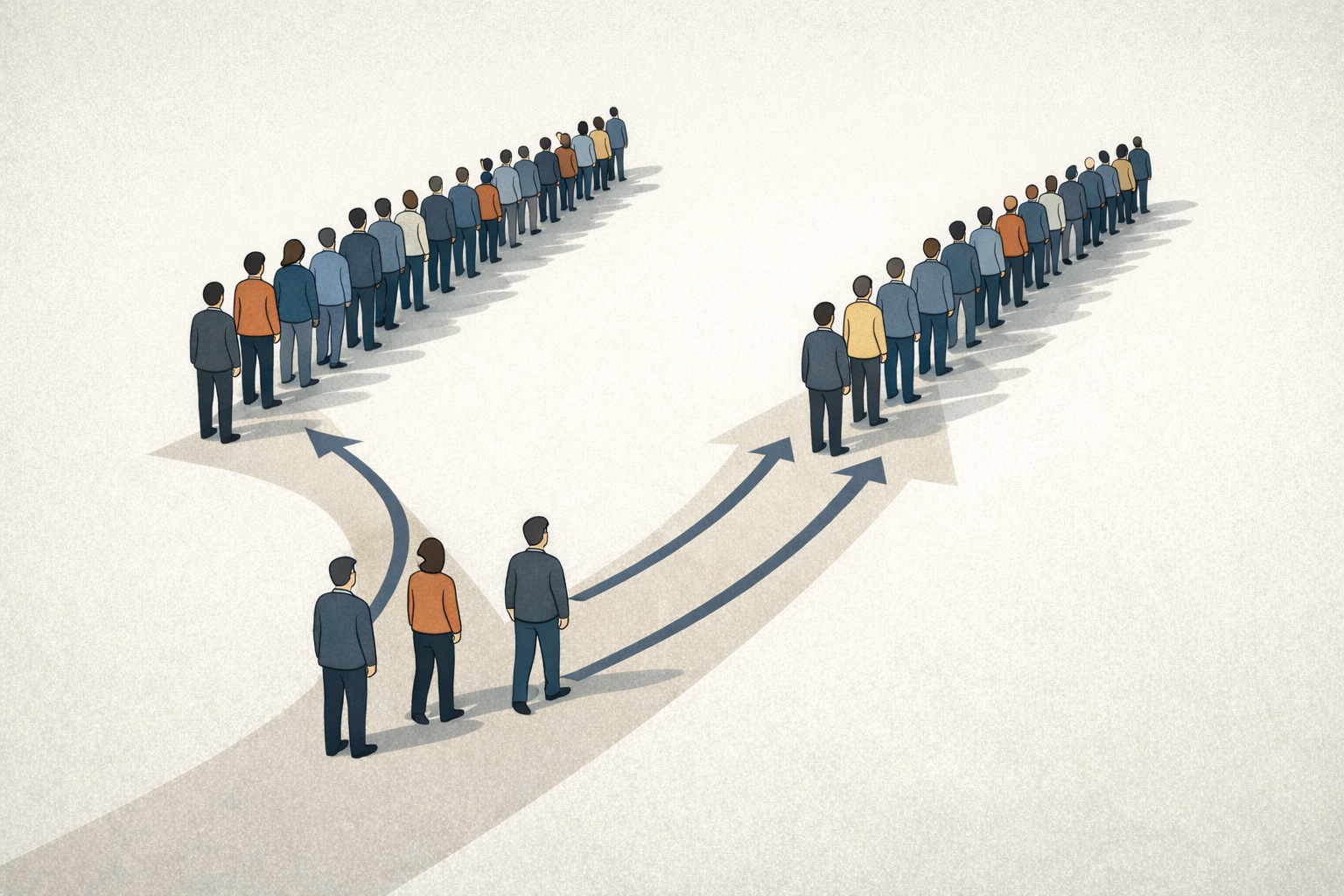
The Marginal Majority Effect - Why Tiny Majorities Can Lock In Big Decisions
A new paper identifies a subtle but powerful bias in how people follow others.
When choosing between two options, people seem to react strongly to the moment one becomes slightly more popular than the alternative, rather than how much more popular it is.
The researchers call this the “marginal majority effect”.
A small shift, from just below 50% to just above, can sharply increase the likelihood that others follow.
Late entrants may struggle even if they are better. An option that is objectively worse can still win, simply because it gains a slight early lead.
Practical Business Takeouts:
Small leads may have outsized impact - the study shows a sharp jump in influence when an option becomes just more popular. Showing “most popular” or “#1 choice” may matter more than the size of the lead.
Relative ranking may matter more than absolute numbers - people responded to which option was ahead, not by how much. “Best seller” may be more influential than “10,000 sold”.
Breaking momentum may be difficult once established - once a marginal majority forms, it can sustain itself. Late entrants may struggle even if they are better.
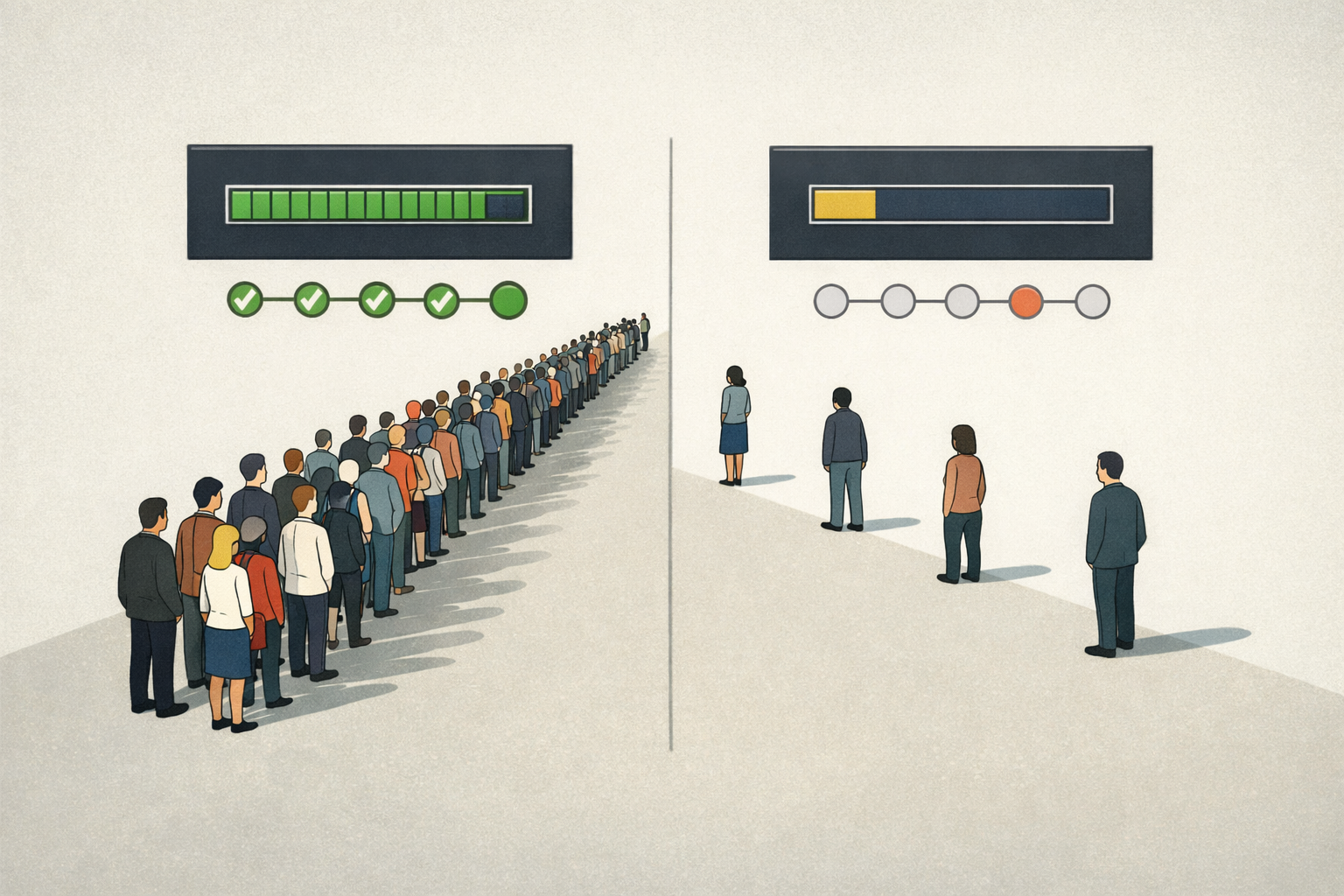
Why a Long, Fast Queue Can Feel Worse Than a Short, Slow One
A controlled behavioural study of 1,163 people looked at a simple question: how much is it worth to skip a queue?
The findings might surprise you.
People evaluate queues not based on total waiting time, but by two visible cues:
how many people were ahead
how fast the line was moving
Those factors mattered separately. The combined effect, actual wait time, added little explanatory power. Even when participants were shown a countdown clock, behaviour barely changed.
A long, fast-moving queue can feel worse than a short, slow one. Even if both take the same time
Time already spent waiting also had a limited impact. It increased reported commitment, but did not reliably change decisions.
People appear to judge waiting by what they can see ahead, not by the clock.
Practical Business Takeouts:
Visible load may matter more than actual time - people may react more to how much is left (e.g. steps, people, tasks) than how long it will take.
Reducing what’s seen may be as important as reducing time - showing “3 steps remaining” may feel better than showing “2 minutes left”.
Faster systems may not always feel better - if speed comes with visible scale (e.g. lots of activity, many users), it may increase perceived effort.
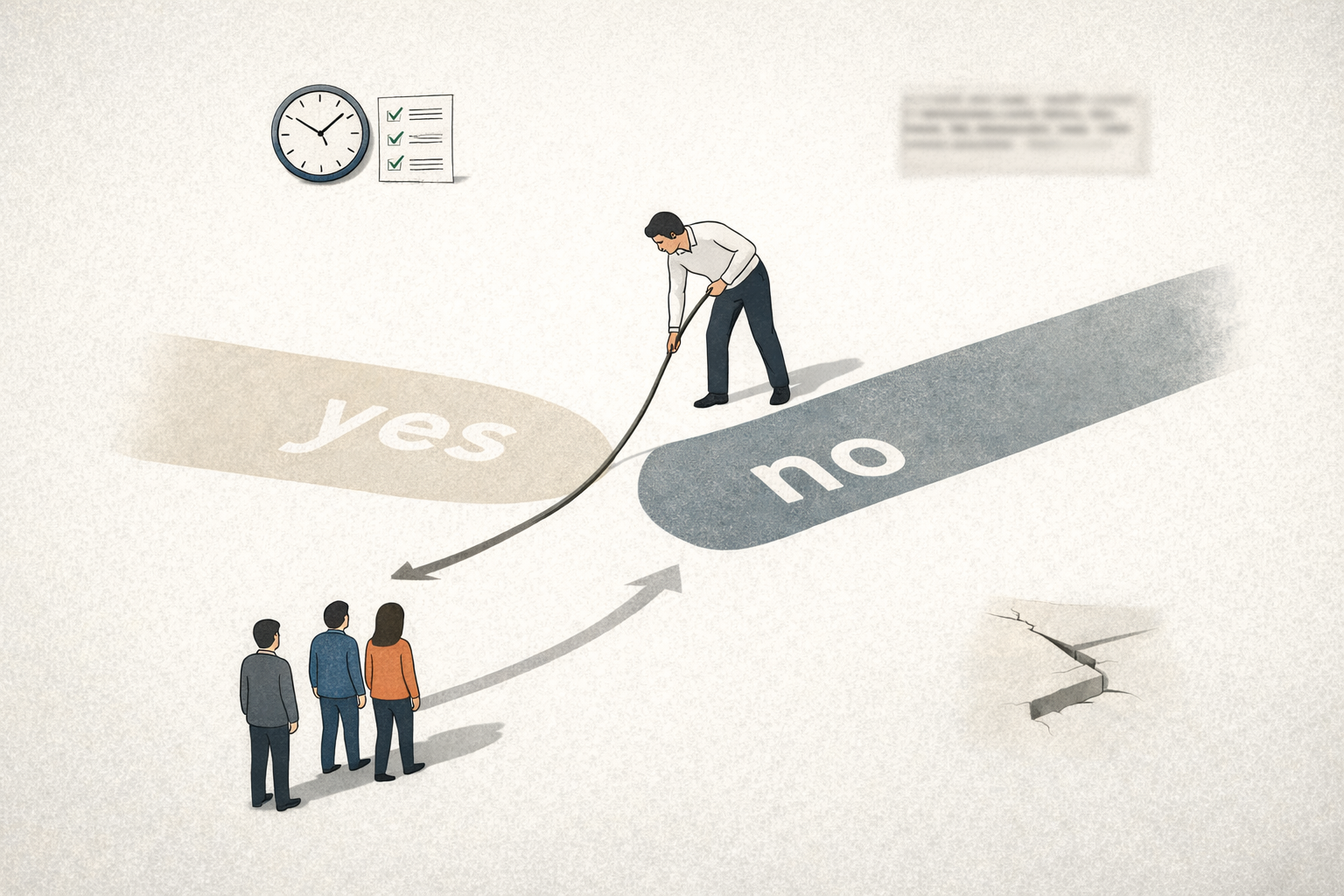
How We Excuse Our Bad Behaviour
We like to think we’re consistent. In reality, we’re surprisingly flexible.
This study introduces the PASS framework, which explains how people justify behaviour that clashes with their own standards.
PASS captures four ways people “bend the rules” without feeling like they’ve broken them:
Past behaviour (“I’ve been good, I deserve this”)
Ambiguity (“It’s not really that bad”)
Social norms (“Everyone does it”)
Slippery slope (“Just this once”)
Rather than ignoring their standards, people adjust them in the moment.
The result is behaviour that feels acceptable, even when it contradicts what they believe.
Practical Business Takeouts:
Frame offerings as earned - reminding customers of prior “good” actions (“you’ve saved”, “you’ve chosen well”) may create permission to act.
Sequence matters: justification before action - the framework suggests people justify first, then act. Messaging that enables justification may increase conversion more than persuasion alone.
Multiple justifications may stack - combining signals (e.g. “popular”, “limited”, “you’ve earned it”) may be more effective than relying on one.
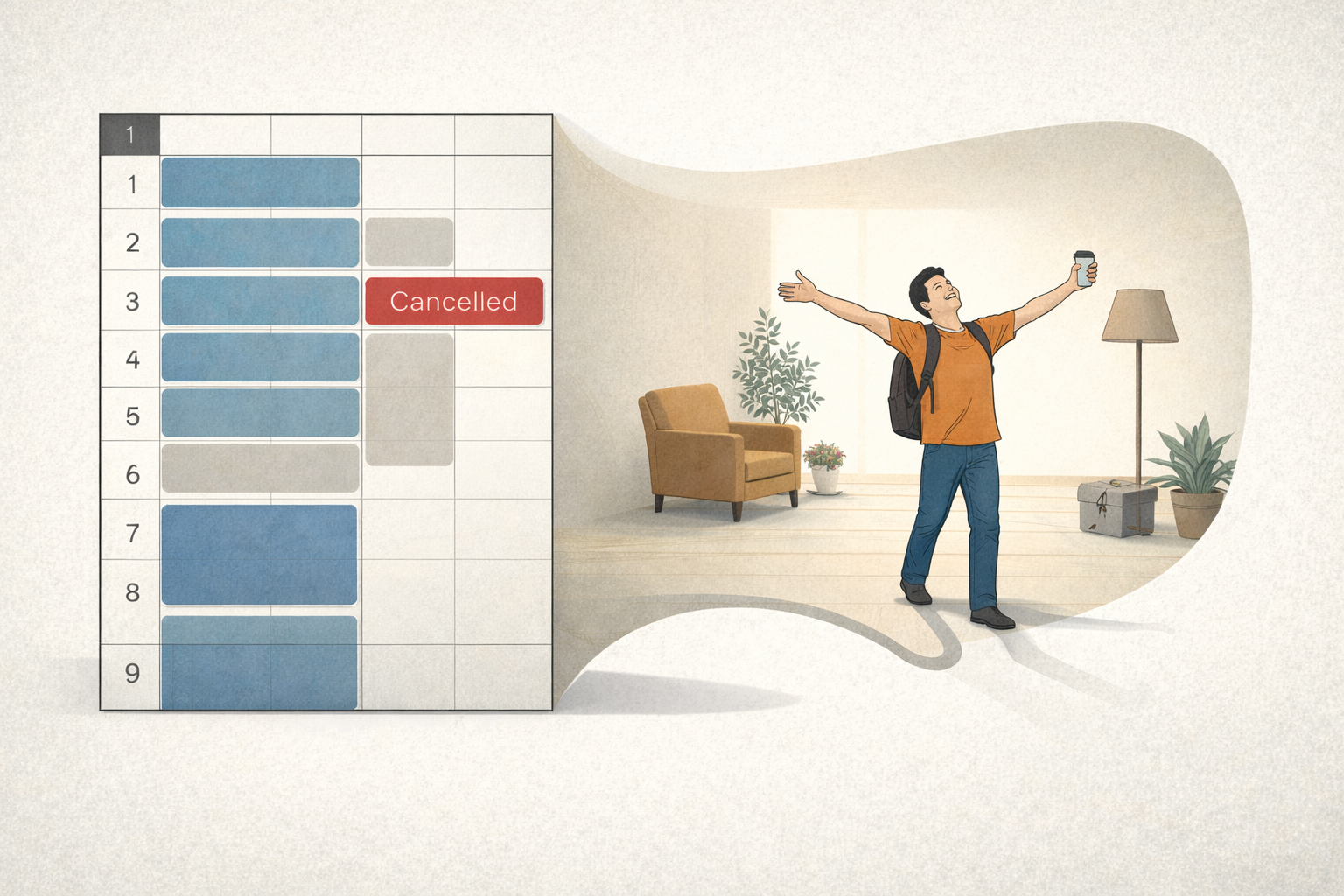
How Unexpected Free Time Feels Longer and Changes Behaviour
A recent study examines how people perceive and use “windfall time” - time that becomes available unexpectedly, such as a cancelled meeting.
Across a series of experiments, participants judged identical time intervals differently depending on how they arose. Time that was unexpectedly freed up was perceived as longer than the same amount of time that had been scheduled in advance.
This appears to be driven by reference dependence. When time is gained relative to an expectation of being busy, it is evaluated as a larger resource.
This shift in perceived duration affects behaviour. Participants were more likely to choose longer, less constrained activities when time was unexpectedly available, suggesting that perceived time abundance alters how people allocate it.
The findings indicate that time perception is shaped by expectations and context, rather than being fixed.
Practical Business Takeouts
Position time as “found”, not included - an extra 10 minutes framed as “we’ve saved you time” may feel more valuable than building that same time into the journey upfront.
Use freed-up moments to drive deeper engagement - when users complete something faster than expected, prompt longer actions immediately (e.g. browse more, add extras, watch content).
Frame speed as time returned, not just efficiency -reducing delays can be positioned as “time back”, which may feel more valuable than simply being faster.
😓 Tough business challenge? See if we can help. We probably can.

James, Patrick and Dan
We practically apply the science of the human mind for hard, commercial results
Please feel free to share.
➡️ Sign up for your own MONKEY BUSINESS by clicking here