
🧠 The Psychology of Status, Rivalry and Sacrifice
Welcome to our latest newsletter.
This month, we look at:
Why we value sacrifice more than results
How your brain maps enemies before friends
Why luxury's biggest driver might not be status after all
How crowds turn left without thinking
Do you want to nudge your way to better results?
📈 Grow your business?
💰 Sell more?
💎 Increase customer value?
Email us to see how behavioural science can help you.
Every so often we use our Monkey Business newsletter to share useful nuggets, opinions, and findings as food for thought. Sign up here.
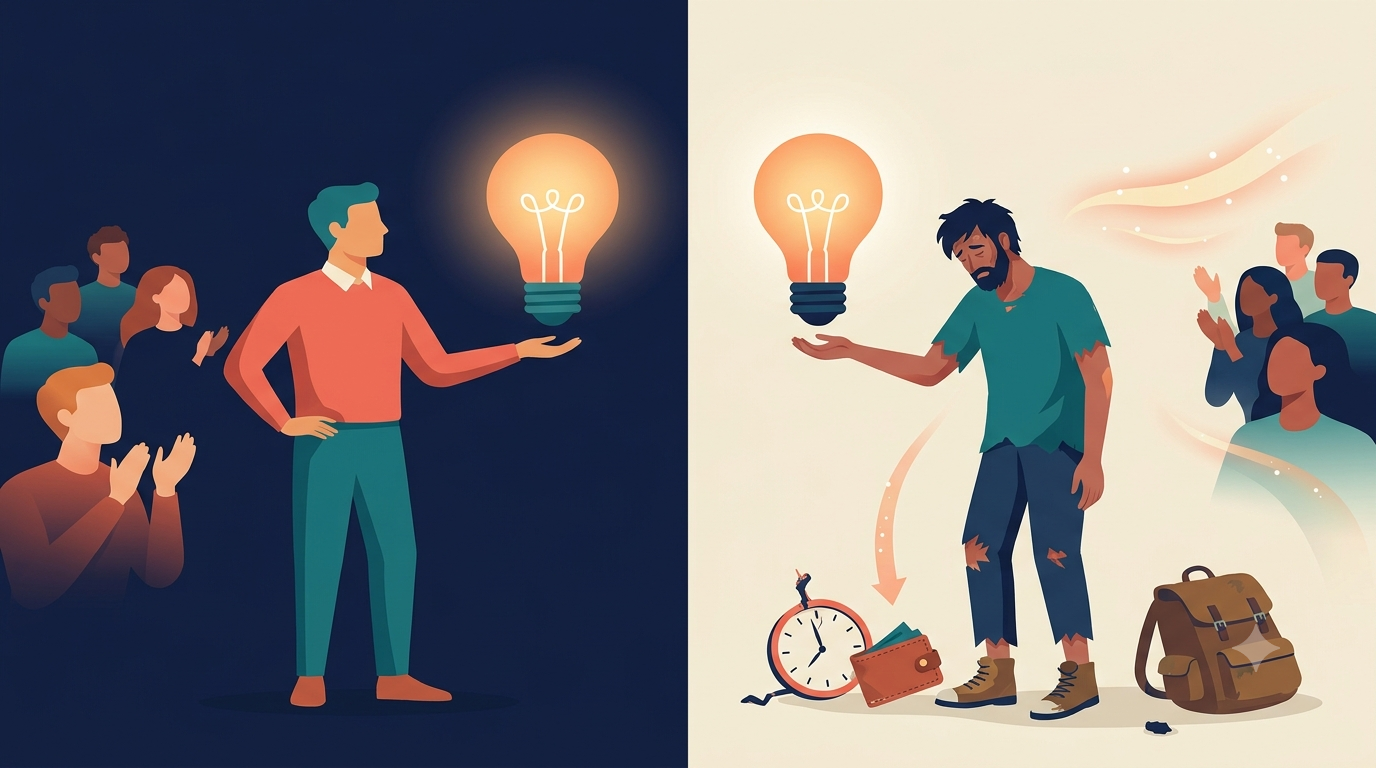
Why We Value Sacrifice More Than Results
If two people achieve exactly the same outcome, we don't judge them equally. We admire the one who suffered more to get there.
New research found that people consistently rated self-sacrificial acts as more heroic, moral and inspiring than equally effective actions that involved no personal cost.
Strikingly, this "martyrdom effect" persisted even when the person making the sacrifice represented a deeply unpopular cause.
The sacrifice itself boosted perceptions, independent of whether it improved the outcome. The effect only appeared, however, when the sacrifice was both intentional and real.
Simply intending to make the sacrifice, or suffering accidentally, wasn't enough. Visible effort, commitment and genuine cost can make actions feel more meaningful, but dressing up unnecessary hardship as virtue might not have the same effect.
Practical Business Takeouts:
It’s about the cost as well as the outcome. The study found that identical results were judged more favourably when someone intentionally paid a personal price to achieve them. Brands may benefit by making genuine effort visible, whether that's painstaking craftsmanship, hands-on customer service or founders personally solving problems. Don't just show what you delivered. Show what it took.
Hidden downside: making things look effortless can reduce perceived value. Businesses often celebrate simplicity and convenience, but removing every sign of effort can unintentionally make achievements feel less meaningful. Luxury brands have long understood this by highlighting artisan craftsmanship rather than hiding it.
Commitment signals credibility. People interpreted voluntary sacrifice as evidence of stronger conviction, even when the underlying cause didn't change. This helps explain why brands that voluntarily absorb price rises, extend guarantees or publicly invest in sustainability often strengthen trust beyond the practical benefit alone.
Counterintuitive insight: sacrifice can improve perceptions even when people disagree with you. One of the study's most surprising findings was that self-sacrifice made even deeply disliked actors seem more admirable than if they had achieved the same outcome without personal cost. Audiences often separate commitment from agreement.
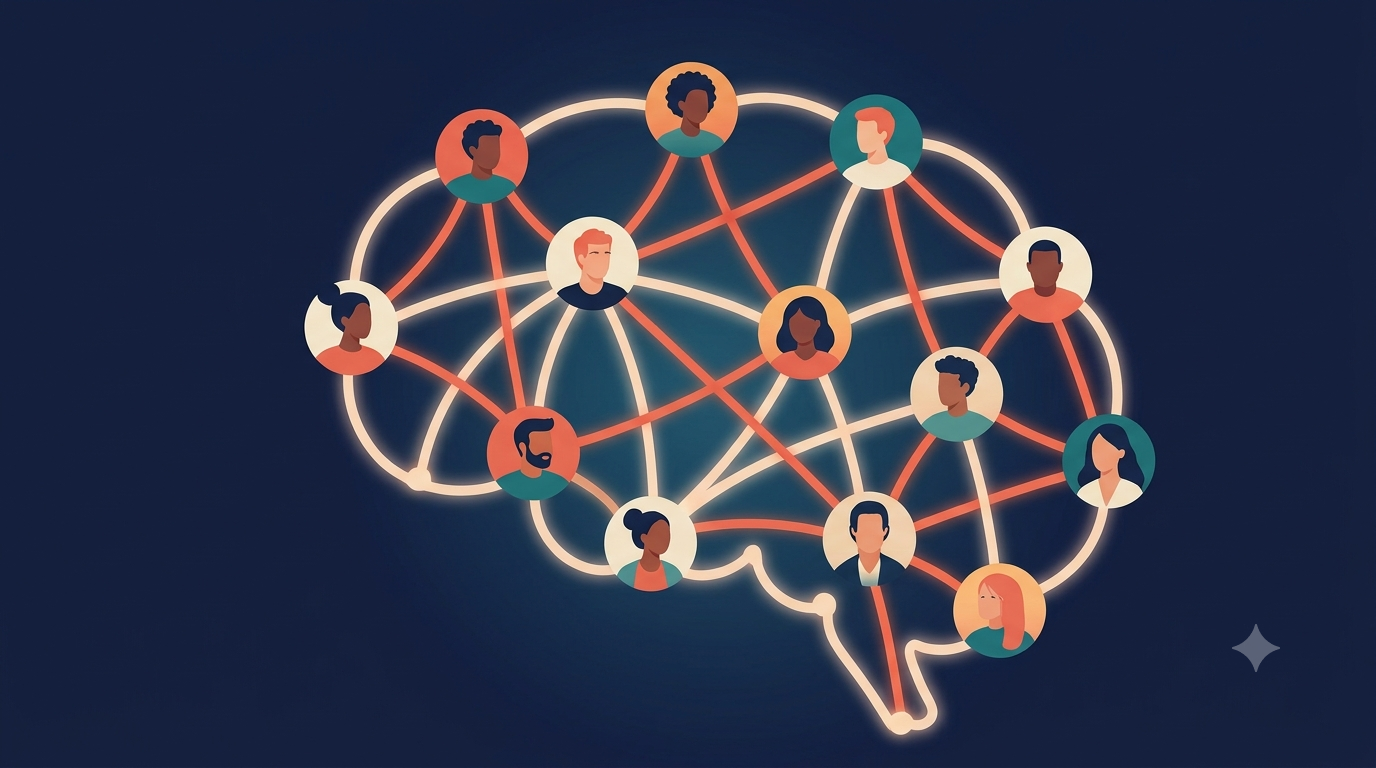
How Your Brain Maps Enemies Before Friends
Brands might assume audiences understand people, products and organisations through positive associations: who likes whom, who belongs where, what fits together. This study suggests rivalry may do more of the mental organising.
Researchers asked participants to watch six episodes of Suits, then scanned their brains while they looked at characters' faces. After viewing, neural patterns reflected the relationships between characters.
Crucially, this effect was strongest for antagonistic ties, such as rivalry and hostility, rather than affiliative ones like friendship. Negative relationships appeared to act as anchors in the brain's social map.
Audiences may remember a brand, category or public figure partly by the tensions around them. Opposition can clarify positioning faster than affinity. The trick is using contrast without becoming defined by conflict.
Practical Business Takeouts:
Contrast helps audiences locate you. The brain appeared to encode antagonistic relationships more strongly than positive ones. Brands can use clear "against what?" positioning to make themselves easier to understand, such as a fintech opposing hidden fees or a challenger brand rejecting category jargon.
Rivalry builds memory structure. The study suggests conflict helps people organise social worlds. A smart competitor frame can make a brand more memorable, but only when the enemy is strategically useful: waste, complexity, blandness, unfair pricing.
Hidden downside: conflict can swallow the brand. If antagonism becomes the whole story, audiences remember the fight more than the proposition. Challenger brands still need a positive destination after the enemy has done its job.
Narrative beats attribute lists. Participants built social maps from watching a drama. Brands can use characters, tensions and recurring conflicts to make complex propositions easier to understand than a list of benefits.
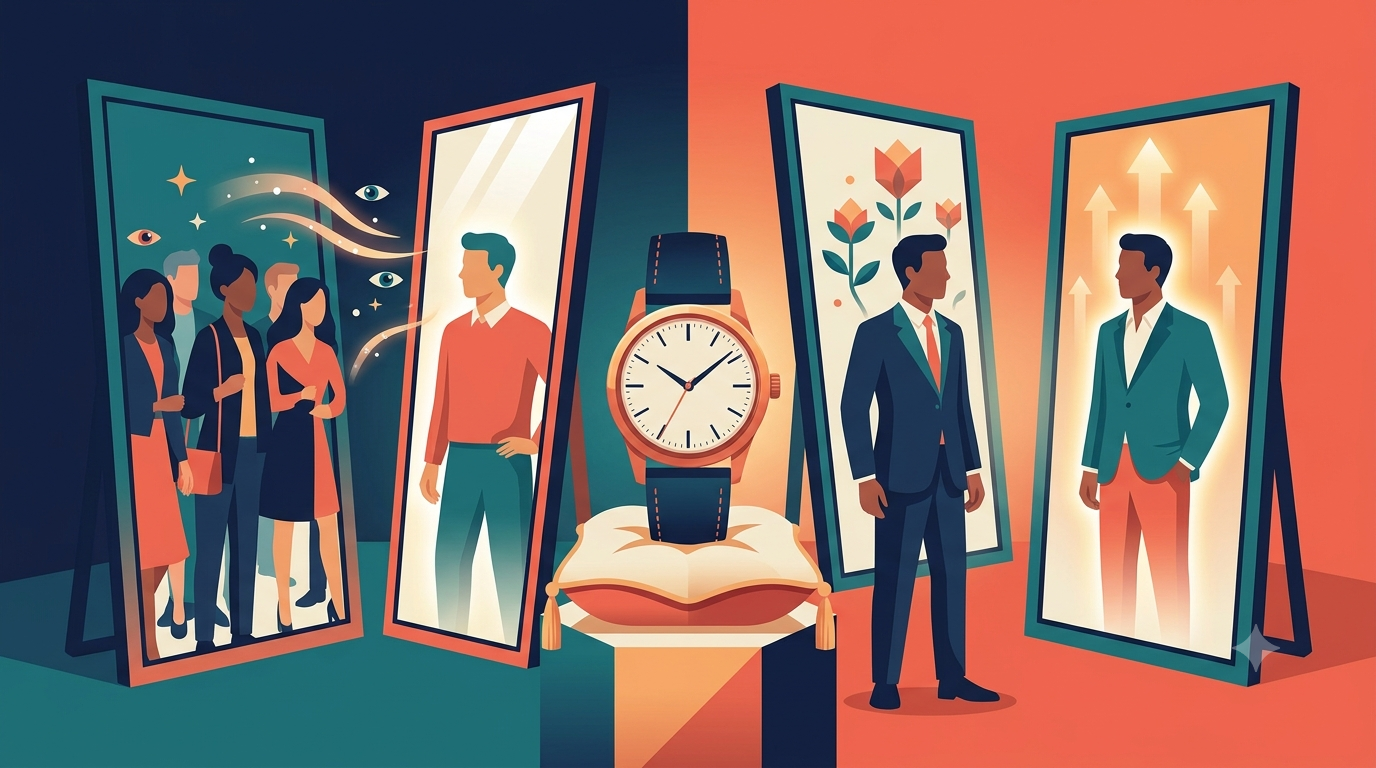
Why Luxury's Biggest Driver Might Not Be Status After All
Luxury brands are often built on one assumption: people buy expensive products to outshine everyone else. This research suggests the story is more nuanced.
Researchers explored whether luxury consumption is driven more by wanting to be better than other people or by wanting to become a better version of yourself.
Across a series of experiments, they found that self-improvement motives consistently produced more rational decision-making than status competition.
While people do care about their relative position, many luxury choices are better explained by personal aspirations than by the desire to climb the social ladder.
The research also found that certain types of health information, such as life expectancy, waiting times and insurance provision, can reduce people's focus on relative position and encourage more self-focused decisions.
Positioning products as tools for personal progress may be a more durable strategy than relying solely on status signalling.
Practical Business Takeouts:
Self-improvement might trump social superiority. The research suggests consumers make more considered decisions when they're focused on becoming better for themselves rather than outperforming others. Luxury brands may benefit from framing products as investments in personal growth, mastery or wellbeing instead of symbols of status.
Status has limits. Self-development scales. Positioning built around "better than everyone else" depends on constant comparison. Positioning built around "better than yesterday" gives customers a reason to stay engaged long after the purchase. Think premium fitness equipment, education platforms or high-end skincare that celebrates progress rather than prestige.
Counterintuitive insight: reducing social comparison may increase engagement. This study suggests that when people shift their attention away from relative position, they often make more rational, confident choices. That could mean less buyer's remorse and stronger long-term loyalty.
The information you provide changes the decisions people make. Information that encourages customers to think about their own future rather than other people's behaviour may lead to better decisions.
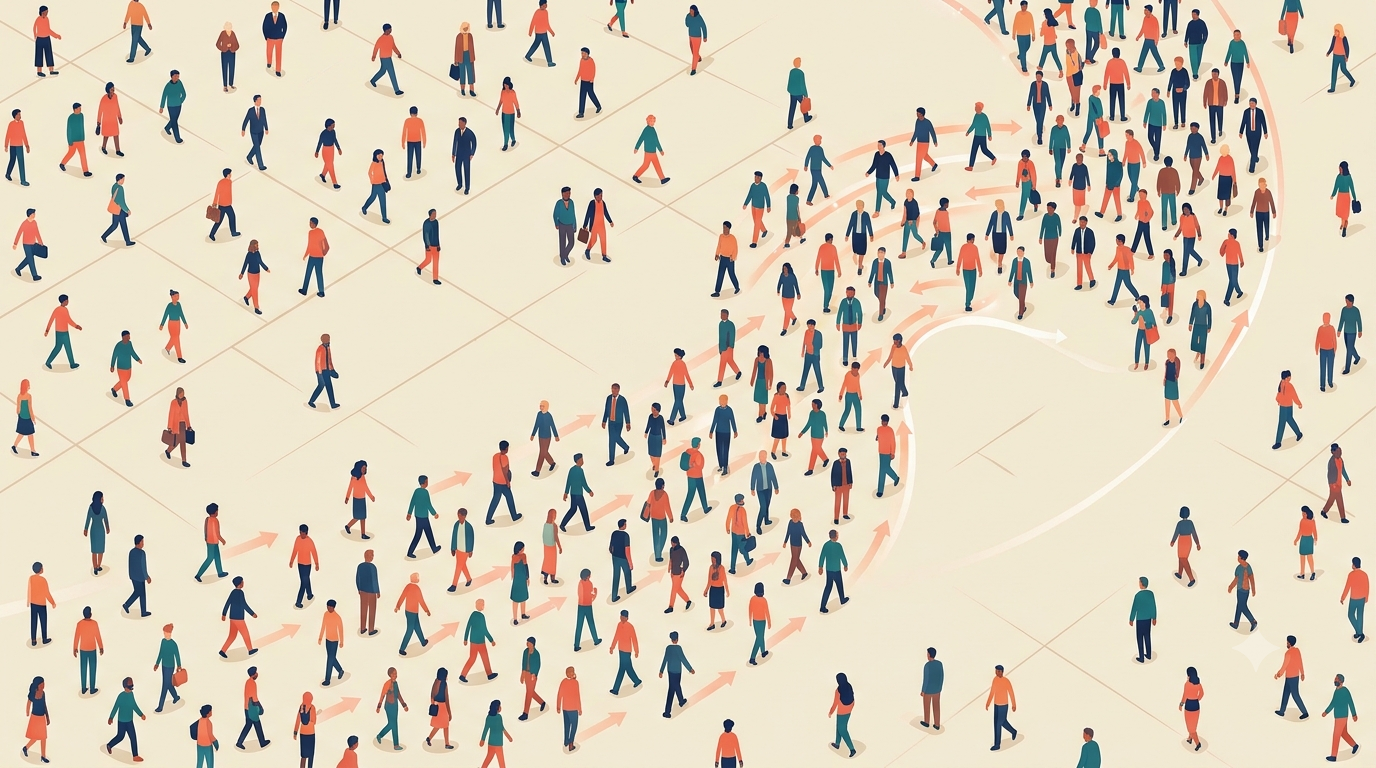
How Crowds Turn Left Without Thinking
If you watch a crowd long enough, you'll notice something odd. People tend to drift left, even when there's no obvious reason to.
Researchers studying pedestrian movement found a consistent preference for walking to the left across different countries, environments and age groups.
The pattern appeared in open spaces with no walls or obstacles, in children who had not yet absorbed local social norms, and even when people walked alone.
Handedness, footedness and eye dominance couldn't explain it either. Instead, the findings suggest that a subtle individual bias can scale into large, predictable crowd movements.
Sometimes groups simply amplify small individual tendencies.
Practical Business Takeouts
Small individual biases become big commercial patterns. The researchers found that a slight tendency in individual movement was enough to create consistent crowd behaviour. Rather than assuming customers are copying each other, look for subtle defaults that scale, such as which direction shoppers naturally turn when entering a store or how they scan a homepage.
Design for instinct before habit. The leftward preference appeared even in young children and across countries with different traffic conventions, suggesting some behaviours emerge before cultural learning. For retailers, transport hubs or event organisers, layouts that align with natural movement may reduce friction without customers ever noticing.
Hidden friction can compound quickly. If thousands of people share the same tiny bias, poorly designed spaces can unintentionally create congestion. Queue layouts, exhibition stands and supermarket entrances should be tested against natural flow rather than symmetry alone.
Individual testing can predict group behaviour. One of the study's most useful findings was that models based on individuals walking alone successfully predicted large crowd dynamics. For product teams, this reinforces the value of usability testing with individuals before investing in more expensive live customer trials.
😓 Tough business challenge? See if we can help. We probably can.

James, Patrick and Dan
We practically apply the science of the human mind for hard, commercial results
Please feel free to share.
➡️ Sign up for your own MONKEY BUSINESS by clicking here