
🧠 The Psychology of Memory, Action and Change
Welcome to our latest newsletter.
This month, we look at:
Why we underestimate how much people want to help us
Why persuasion needs both a reason and a route
Why old routines survive after circumstances changes
Why handwriting creates stronger memories than typing
Do you want to nudge your way to better results?
📈 Grow your business?
💰 Sell more?
💎 Increase customer value?
Email us to see how behavioural science can help you.
Every so often we use our Monkey Business newsletter to share useful nuggets, opinions, and findings as food for thought. Sign up here.

Your Keyboard Might Be Making You Forget
As handwriting disappears from everyday life, a new study suggests we may be giving up more than good penmanship.
Researchers recorded brain activity from 36 university students while they either handwrote words using a digital pen or typed the same words on a keyboard.
Handwriting produced richer and more widespread patterns of connectivity across brain regions associated with learning and memory. Typing generated far less coordinated activity.
The researchers argue that handwriting forces the brain to integrate visual, motor and sensory information simultaneously.
Every letter requires a different movement. Typing largely repeats the same simple actions regardless of the word being written.
The finding adds to a growing body of evidence that effortful information processing can improve learning.
While typing may be faster and more convenient, handwriting appears to create stronger neural conditions for remembering what we have just encountered.
Practical Business Takeouts:
Ask customers to write their future reward. Instead of showing benefits, ask customers what they'll do with them. "What would you spend an extra £200 a month on?"
Replace passive CTAs with commitment prompts. Swap "Get started" for "What's the first step you'll take?"
Ask for a prediction before revealing the answer. "How much do you think you're spending?" may be more memorable than simply showing the number.
Capture motivations at sign-up and replay them later. Ask "Why are you joining today?" then surface the answer during onboarding, retention or renewal.
Get customers to define value in their own words. Instead of telling buyers the benefits, ask "What would success look like six months from now?"
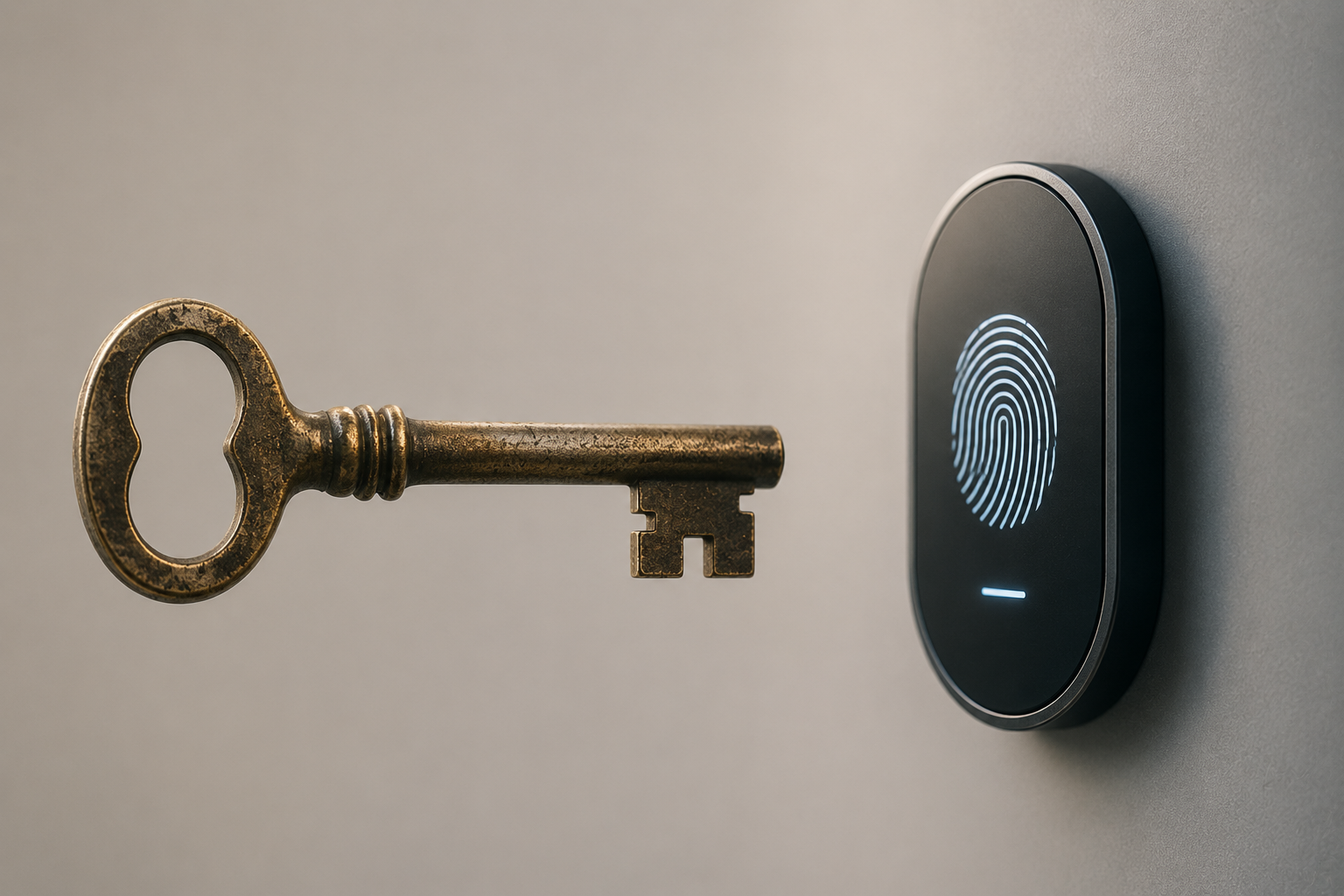
When The Circumstances Changes But We Don't
Ever persisted with something even after it stopped working?
Researchers at the University of California, Riverside identified a brain circuit that helps us change course when circumstances change. When activity in this circuit was suppressed, mice struggled to adapt to a new set of rules.
Instead, they kept returning to the old strategy, even after it stopped delivering rewards.
The surprising finding was that the problem wasn't too little brain activity. Their brains became noisier and less able to distinguish relevant information from irrelevant information.
The study suggests that behavioural flexibility depends not just on learning new rules, but on letting go of old ones.
Practical Business Takeouts:
Tell customers what to stop doing. Don't just explain the new behaviour. Make the old one feel obsolete.
Sell replacement, not improvement. Customers may compare your product with their current routine, not your competitor's.
Make the old approach visibly costly. Show what sticking with the status quo is costing in time, money or effort.
Reduce noise during change. If you're asking customers to adopt a new behaviour, strip away competing messages and distractions.
Design onboarding around unlearning. Help customers retire old habits rather than simply introducing new features.

People Need A Reason And A Route
Most marketing focuses on changing what people think.
New research from the Annenberg Public Policy Center suggests persuasion works best when messages do something more practical: provide both a reason to act and a clear action to take.
Researchers compared three types of messages: those expressing attitudes ("this is good"), those describing behaviours ("do this"), and those combining both.
The combined messages were consistently the most persuasive.
Why? Because they help people mentally simulate the behaviour.
A message such as "exercise improves health, so take a walk after dinner" gives people both a reason and a route. Instead of simply agreeing with the message, they can picture themselves acting on it.
Practical Business Takeouts:
Pair every benefit with a behaviour. Don't stop at "saving is important". Add "move £50 into savings on payday".
Turn claims into instructions. "Protect your home" becomes "test your smoke alarm this weekend".
Anchor actions to existing routines. "Check your pension when your payslip arrives" is easier to imagine than "review your pension regularly".
Make the next step visible. The more concrete the action, the easier it is for people to mentally rehearse it.
Give people a reason and a route. The most persuasive communications explain why something matters and exactly what to do next.

Why We Don't Ask
Most people know they should ask for advice more often.
Many don't, because they worry about being a burden.
New research suggests that concern is largely misplaced.
Across six studies, researchers found that people were significantly more likely to seek advice when they were reminded that the person giving it also benefits from the interaction.
In a field experiment with jobseekers, this simple reminder increased outreach by almost 40%.
The key insight is that people consistently underestimate how willing others are to help.
We tend to see advice-seeking as a favour we receive. In reality, advice-givers often gain status, satisfaction, connection and a chance to share their expertise.
Practical Business Takeouts
Frame referrals as helping, not sharing. People may be more likely to recommend a product when they feel they're doing someone a favour rather than promoting a brand.
Remind reviewers who benefits. Review requests often focus on helping the company. Customers may be more motivated when reminded that future buyers rely on their experience.
Show the value of participation. Communities grow faster when members understand what they contribute, not just what they receive.
Reduce the fear of reaching out. Customers often hesitate to contact support, sales teams or account managers because they don't want to waste anyone's time.
Make reciprocity visible. The more clearly people can see that both sides benefit, the more likely they may be to participate.
😓 Tough business challenge? See if we can help. We probably can.

James, Patrick and Dan
We practically apply the science of the human mind for hard, commercial results
Please feel free to share.
➡️ Sign up for your own MONKEY BUSINESS by clicking here